Spicy Crab Kani Sushi Roll – Easy Recipe
Kani sushi, also known as a spicy crab roll, is a flavor explosion that has captured the hearts and taste buds of sushi lovers everywhere. If you’ve ever found yourself mesmerized by the vibrant pink and white swirls of this popular maki, you’re not alone! What is it about this seemingly simple roll that makes it so irresistible? It’s the perfect balance of creamy, sweet crab meat mingling with a gentle, warming kick of spice. It’s the satisfying chew of perfectly cooked sushi rice, all wrapped up in a delicate sheet of nori. The magic of a great Kani sushi lies in its accessibility and its ability to deliver complex flavors in every bite. It’s a gateway to the wonderful world of sushi for many, and a beloved classic for seasoned enthusiasts.
Dive Into Deliciousness: Your Guide to Perfect Kani Sushi
Get ready to recreate this iconic spicy crab roll at home!
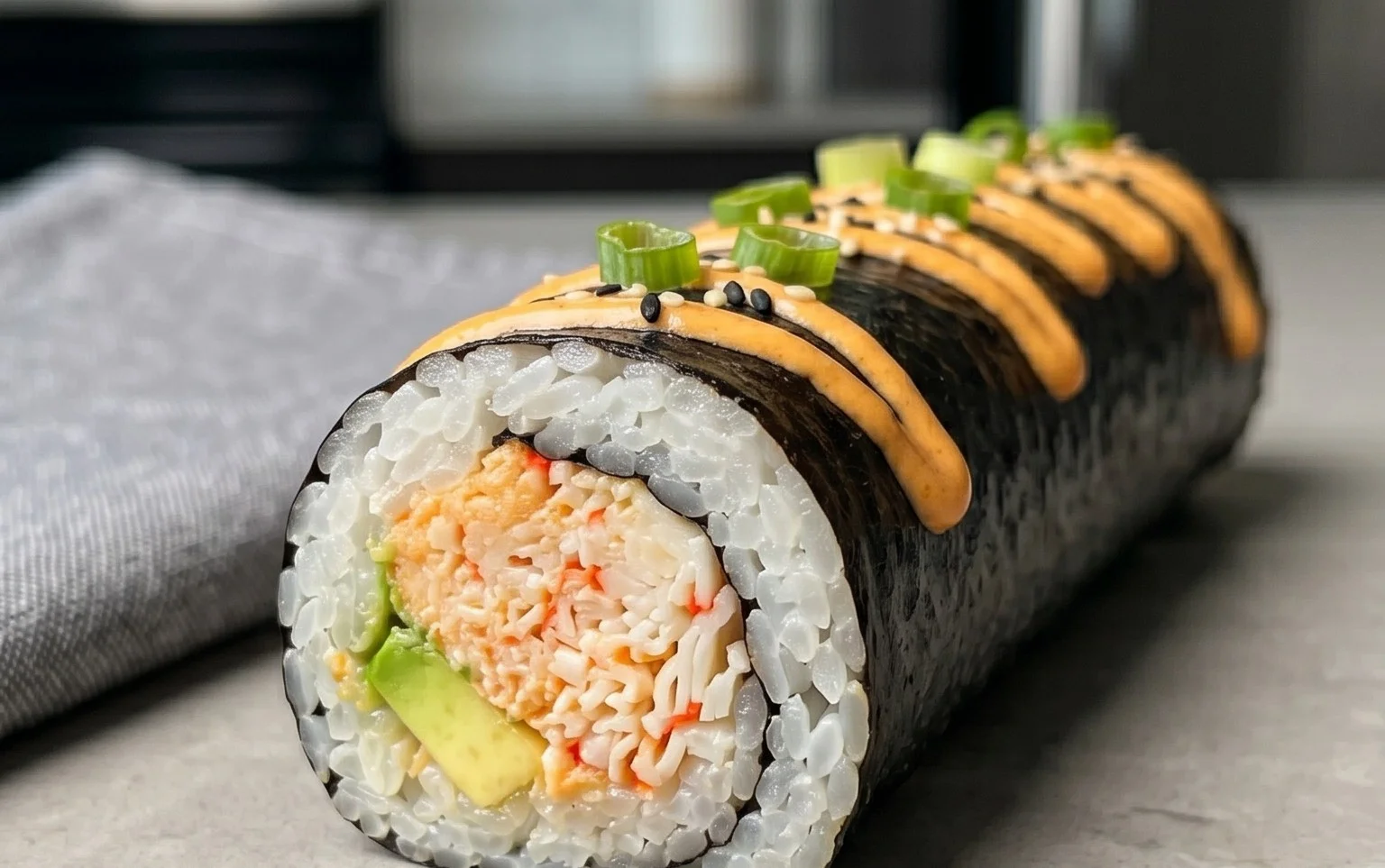
Kani Sushi (Spicy Crab Roll)
There’s something undeniably satisfying about a perfectly rolled Kani Sushi, also known as a Spicy Crab Roll. The creamy, slightly spicy crab filling, balanced by the cool crispness of fresh vegetables and the chewy vinegared rice, is a flavor explosion that’s surprisingly easy to recreate at home. Forget the expensive restaurant markups; with a few key ingredients and a little practice, you’ll be crafting these delicious rolls like a pro. This recipe breaks down the process into manageable steps, ensuring even sushi novices can achieve impressive results.
Ingredients:
Cooking Instructions
The journey to a perfect Kani Sushi begin extracts with perfectly prepared sushi rice. This isn’t just plain ol’ rice; it’s the foundation upon which all your delicious fillings will rest.
1. Preparing the Sushi Rice
Start by rinsing your short-grain sushi rice thoroughly. Place the uncooked rice in a fine-mesh sieve and rinse it under cold running water until the water runs clear. This is a crucial step to remove excess starch, which will prevent your rice from becoming gummy. Once rinsed, drain it well and transfer the rice to a medium saucepan. Add the 2 cups of water. Bring the water to a boil over medium-high heat. Once boiling, immediately reduce the heat to the lowest setting, cover the saucepan tightly, and let it simmer for 15 minutes. Do not lift the lid during this time! After 15 minutes, remove the saucepan from the heat and let it steam, still covered, for another 10 minutes. This resting period allows the rice to absorb any remaining moisture and achieve the perfect texture.
While the rice is steaming, it’s time to prepare the sushi vinegar. In a small bowl, whisk together the unseasoned rice vinegar, granulated sugar, and salt. Stir until the sugar and salt are completely dissolved. You can gently warm this mixture in the microwave for about 15-20 seconds if needed to help them dissolve faster, but avoid boiling it. Once the rice has finished steaming and resting, gently transfer it to a large, shallow, non-metallic bowl (a wooden or plastic bowl is ideal). Gradually pour the sushi vinegar mixture over the hot rice. Using a rice paddle or a wooden spoon, gently “cut” and fold the vinegar into the rice, being careful not to mash the grains. Fan the rice as you mix to help it cool down quickly and achieve a glossy finish. Continue this process until the rice is cool enough to handle and evenly coated with the vinegar. Cover the rice with a damp cloth to prevent it from drying out while you prepare the other components.
2. Crafting the Spicy Crab Filling
This is where the “spicy” in Spicy Crab Roll really comes to life! In a medium bowl, combine your thinly sliced imitation crab meat. Add the Kewpie mayonnaise, sriracha, and the lime juice. The Kewpie mayonnaise provides a wonderfully rich and creamy texture, while the sriracha brings the heat. A tiny splash of lime juice adds a bright, zesty counterpoint that cuts through the richness. Finally, add the minuscule amount of sesame oil. Don’t be tempted to add too much sesame oil; its purpose here is to provide a subtle nutty aroma and depth of flavor, not to overpower the other ingredients. Gently mix everything together until the crab meat is evenly coated in the spicy mayonnaise mixture. Taste a small amount and adjust the sriracha or lime juice to your personal preference for heat and tang.
3. Assembling the Rolls
Now for the fun part – rolling! You’ll need a bamboo sushi mat for this. If you don’t have one, you can wrap a clean kitchen towel around a ruler or stiff cardboard as a substitute, but a proper mat makes it much easier. Place one of your halved Nori sheets, shiny side down, on the bamboo mat. Ensure the longer edge of the Nori is facing you. Dip your hands in a small bowl of water mixed with a touch of rice vinegar (this prevents the rice from sticking to your fingers). Take a portion of your prepared sushi rice, about half a cup, and spread it evenly over the Nori sheet, leaving about a 1-inch border at the top edge furthest from you. Don’t press down too hard; you want a light, airy layer of rice.
4. Filling and Rolling the Sushi
Carefully arrange your fillings horizontally across the rice, about one-third of the way up from the edge closest to you. Place a few slices of the thinly sliced avocado and a generous amount of the julienned Persian cucumbers. Then, spoon a good portion of your spicy crab mixture over the vegetables. Don’t overfill, or your roll will be difficult to close and may fall apart. Now, using your thumbs and forefingers, lift the edge of the bamboo mat closest to you, bringin extractg it up and over the fillings. Tuck the edge of the Nori and rice tightly around the fillings. Continue to roll the mat forward, applying gentle, even pressure to form a compact log. As you roll, lift the edge of the mat to prevent it from getting rolled into the sushi. Once you’ve completed the roll, use the mat to gently shape the sushi into a neat cylinder. You can also shape it into a slightly squared off log if you prefer.
5. Slicing and Serving
Once your sushi logs are rolled, it’s time to slice them. Use a very sharp knife, preferably a sushi knife, and wet the blade with water before each cut. This prevents the rice from sticking to the knife and ensures clean slices. Slice each roll into 6 to 8 pieces. Arrange your beautiful Kani Sushi pieces on a serving platter. For an extra touch, sprinkle some toasted sesame seeds (a mix of black and white looks visually appealing) over the top of the rolls. Serve immediately with soy sauce for dipping. You can also offer pickled gin extractger and wasabi on the side for those who enjoy them. Enjoy your delicious homemade Kani Sushi!
Conclusion:
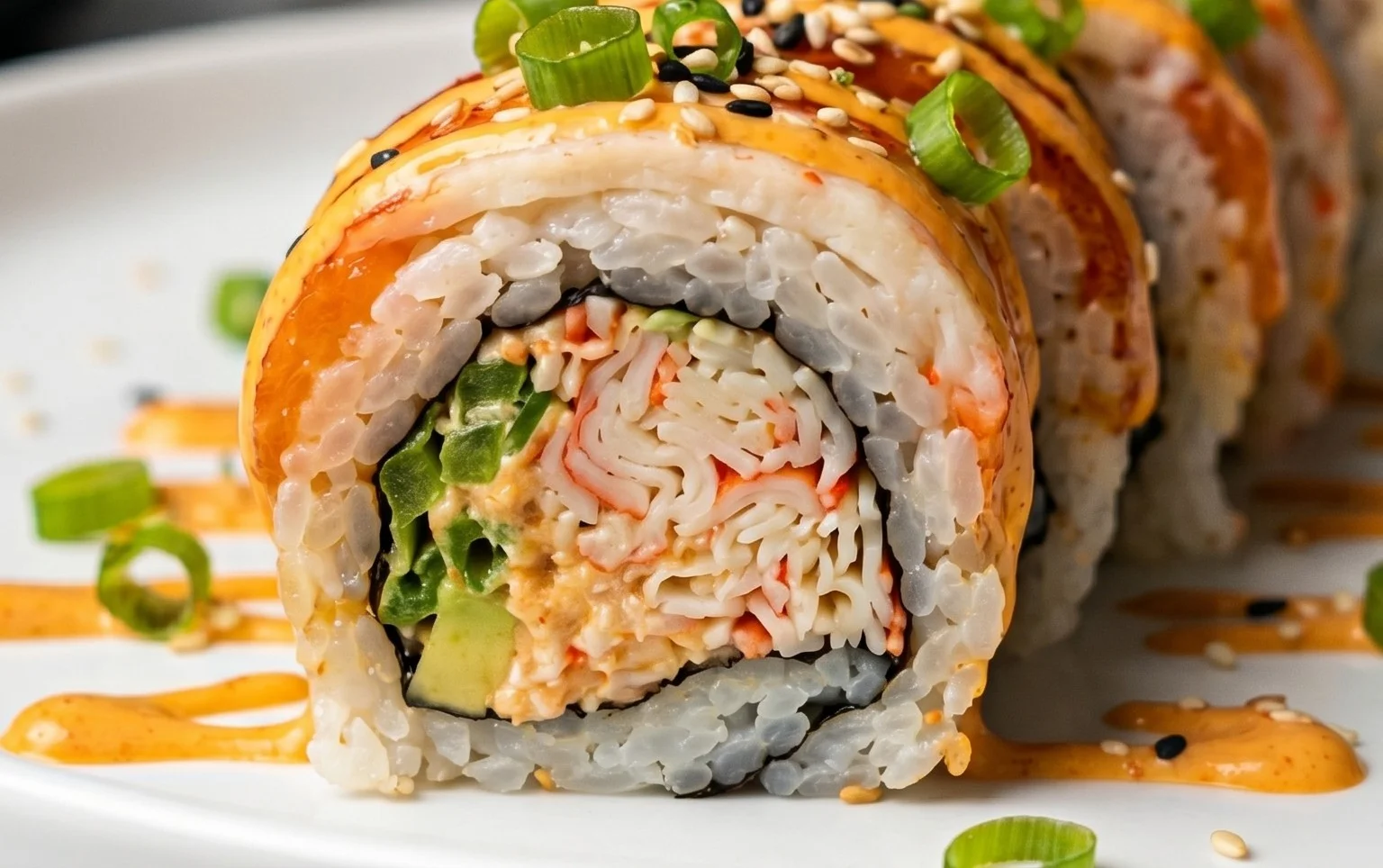
Crafting your own Kani Sushi (Spicy Crab Roll) at home is surprisingly achievable and incredibly rewarding! This recipe is fantastic because it offers a delightful balance of creamy, spicy, and slightly sweet flavors, all wrapped up in a satisfying bite. The vibrant pink of the imitation crab mixed with the creamy mayonnaise and a hint of spice creates a visually appealing and delicious sushi experience that’s perfect for any occasion. Whether you’re hosting a dinner party, enjoying a movie night in, or simply craving a taste of your favorite sushi spot, this Kani Sushi recipe will impress.
To elevate your Kani Sushi, consider serving it with traditional accompaniments like soy sauce, pickled gin extractger, and wasabi. For a refreshing contrast, a side of edamame or a light cucumber salad would be perfect. Don’t be afraid to experiment with variations! You can add a touch of sriracha to the mayo for an extra kick, incorporate some finely chopped celery for crunch, or even add a sprinkle of sesame seeds for added texture and flavor. Trying this Kani Sushi recipe is a wonderful way to explore homemade sushi and I encourage you to give it a go!
Frequently Asked Questions:
Can I use real crab meat instead of imitation crab (kani)?
Absolutely! While this recipe uses imitation crab for its accessibility and texture, using real crab meat (like lump crab or snow crab) will offer a more luxurious flavor. If you do, you might need to adjust the seasoning slightly as fresh crab is naturally sweeter. Ensure it’s cooked and flaked before mixing with the mayonnaise and spice.
Is this recipe difficult for begin extractners?
Not at all! This Kani Sushi recipe is designed to be begin extractner-friendly. The key is to not overfill the nori sheet and to roll it tightly but gently. Practicing with a few rolls will quickly get you the hang of it, and the delicious results will be worth it!
Kani Sushi (Spicy Crab Roll)
A classic spicy crab roll made with imitation crab, creamy Kewpie mayonnaise, sriracha, and fresh vegetables, perfect for sushi lovers.
Ingredients
-
1 1/2 cups short grain sushi rice (uncooked)
-
2 cups water
-
3 tablespoons unseasoned rice vinegar
-
1 tablespoon granulated sugar
-
1 teaspoon salt
-
9 sticks imitation crab meat (thinly sliced)
-
1/4 cup Kewpie mayonnaise
-
1 tablespoon sriracha
-
1/2 teaspoon lime juice
-
1/8 teaspoon sesame oil
-
1 avocado (thinly sliced)
-
2 persian cucumbers (julienned)
-
3 Nori Sheets (cut in half)
-
toasted sesame seeds (black and white)
-
Soy sauce
Instructions
-
Step 1
Rinse sushi rice until water runs clear. Cook rice with water according to package directions. -
Step 2
In a small bowl, whisk together rice vinegar, sugar, and salt until dissolved. Gently fold this mixture into the cooked sushi rice. Let it cool. -
Step 3
In another bowl, combine imitation crab meat, Kewpie mayonnaise, sriracha, lime juice, and sesame oil. Mix well to create the spicy crab filling. -
Step 4
Lay a half sheet of nori on a bamboo sushi mat. Spread a thin, even layer of cooled sushi rice over the nori, leaving a small border at the top. Sprinkle with sesame seeds. -
Step 5
Arrange a portion of the spicy crab mixture, avocado slices, and julienned cucumber horizontally across the rice, about one-third of the way up from the bottom. -
Step 6
Using the bamboo mat, tightly roll the sushi, starting from the bottom edge. Moisten the top border of the nori with a little water to seal the roll. -
Step 7
Slice the roll into 6-8 pieces using a sharp, wet knife. Serve immediately with soy sauce.
Important Information
Nutrition Facts (Per Serving)
It is important to consider this information as approximate and not to use it as definitive health advice.
Allergy Information
Please check ingredients for potential allergens and consult a health professional if in doubt.