Maroulosalata-Authentic Greek Lettuce Salad Recipe
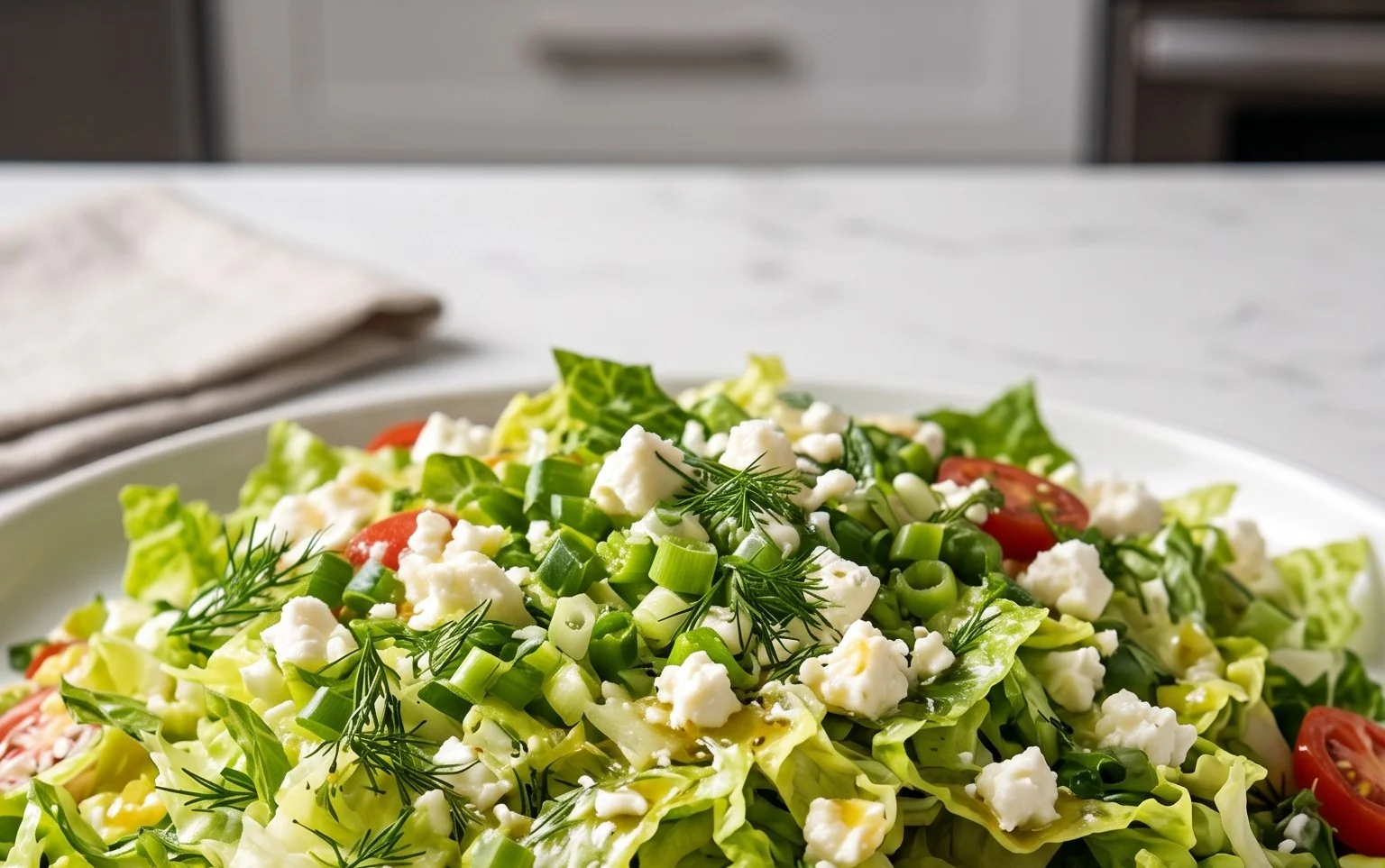
Maroulosalata, the quintessential Greek lettuce salad, is a dish that embodies the vibrant simplicity of Mediterranean cuisine. Forget heavy dressings and complex preparations; this salad is all about fresh, crisp ingredients singin extractg in harmony. When I crave something light, refreshing, and bursting with flavor, my mind immediately goes to a perfectly tossed Maroulosalata. It’s the ideal accompaniment to a rich moussaka or grilled souvlaki, but honestly, I’ve been known to devour a large bowl of it on its own. What truly sets this Greek lettuce salad apart is its unassuming elegance. It transforms humble iceberg lettuce into a culinary revelation, elevated by the tangy brine of feta, the peppery bite of red onion, and the bright zest of lemon. Each bite is a delightful textural and taste experience, a true testament to the power of quality ingredients treated with respect. It’s the kind of dish that makes you feel good from the inside out.
Maroulosalata (Greek Lettuce Salad)
Maroulosalata, a vibrant and refreshing Greek lettuce salad, is a staple in homes across Greece and a perfect accompaniment to any meal. It’s incredibly simple to prepare, relying on fresh, high-quality ingredients to shine. The crispness of the lettuce, the bright tang of lemon, the peppery bite of green onions, and the salty creaminess of feta come together in a harmonious dance of flavors and textures. This isn’t just a side dish; it’s a celebration of simple, honest ingredients at their best. It’s the kind of salad that makes you feel good with every bite, light yet satisfying, and bursting with Mediterranean sunshine. I find myself making this salad year-round, but it’s especially delightful during warmer months when fresh produce is at its peak. It’s incredibly versatile too – serve it alongside grilled meats, fish, or even as a light lunch on its own.
Ingredients:
Instructions:
1.
Preparing the Lettuce Base:
The foundation of any great salad is the greens, and for Maroulosalata, romaine lettuce is our star. Start by thoroughly washing both heads of romaine lettuce. You want to remove any grit or dirt that might be clingin extractg to the leaves. After washing, it’s crucial to dry the lettuce completely. I like to use a salad spinner for this, as it removes most of the excess water, ensuring your dressing doesn’t get diluted. If you don’t have a salad spinner, you can pat the leaves dry with clean kitchen towels or paper towels. Once dry, I like to tear the lettuce into bite-sized pieces directly into a large serving bowl. Tearing, rather than cutting with a knife, can help prevent the lettuce from bruising and oxidizing too quickly, which can lead to a less appealing texture and color. Make sure to discard the tough outer leaves and the very core of the lettuce.
2.
Adding the Aromatic Elements:
Next, we introduce the vibrant aromatics that give Maroulosalata its characteristic fresh and zesty flavor. Take your 3 green onions and finely chop them. I prefer to use the green parts as well as the white parts, as they both offer a delightful oniony bite. Add these chopped green onions to the bowl with the prepared lettuce. Then, comes the fragrant dill. Measure out ½ cup of freshly chopped dill. Dill has a unique, slightly anise-like flavor that pairs beautifully with lettuce and lemon. Ensure your dill is fresh for the best flavor. If you’re not a huge fan of dill, you can start with a little less and add more to your preference, but I find that ½ cup adds a wonderful complexity without being overpowering. Distribute the chopped dill evenly over the lettuce and green onions.
3.
Crafting the Lemon-Olive Oil Dressing:
Now, let’s prepare the simple yet incredibly flavorful dressing that ties everything together. In a small bowl or directly over the salad ingredients (if you’re feeling confident!), measure out 2 tablespoons of good quality extra virgin extract olive oil. The quality of your olive oil really matters here, as it’s a dominant flavor. Next, juice one fresh lemon. The bright acidity of the lemon juice is essential for cutting through the richness and adding a refreshing tang. Aim for about 2 tablespoons of lemon juice, though you can adjust this to your liking. Some people prefer a more lemony salad, while others might prefer it a little milder. Finally, add ½ teaspoon of salt to the olive oil and lemon juice. You can also add a pinch of freshly ground black pepper at this stage if you like, although it’s not traditionally included in the most basic Maroulosalata recipe. Whisk these ingredients together until they are well combined. This simple vinaigrette is a testament to how few ingredients can create a fantastic flavor.
4.
Combining and Dressing the Salad:
With all your components ready, it’s time to bring them together. Gently toss the lettuce, green onions, and dill in the large serving bowl. The goal here is to distribute them evenly. Now, drizzle the prepared lemon and olive oil dressing over the salad. Start with about half of the dressing and toss gently again. You want to lightly coat all the ingredients without drowning them. It’s always better to add more dressing if needed than to have a soggy salad. Continue to toss and add more dressing as you see fit until the salad is lightly coated and glistening. This is where you can really gauge the balance of flavors. Taste a leaf and see if it needs a little more salt, a touch more lemon, or another drizzle of olive oil.
5.
The Final Flourish: Feta and Serving:
The last and arguably one of the most delightful steps is adding the crum extractbled feta cheese. Sprinkle ½ cup of crum extractbled feta cheese over the dressed salad. The salty, creamy, and slightly tangy feta cheese provides a wonderful textural contrast and a burst of Mediterranean flavor that is quintessential to Greek cuisine. Gently toss the salad one last time to distribute the feta evenly, being careful not to break it down too much. You want to see distinct pieces of feta throughout the salad. Serve your Maroulosalata immediately to enjoy its peak freshness and crispness. This salad is best enjoyed right after it’s made, as the lettuce will stay crisp and the flavors will be at their most vibrant. It’s a simple yet incredibly satisfying dish that I hope you’ll love as much as I do.
Conclusion:
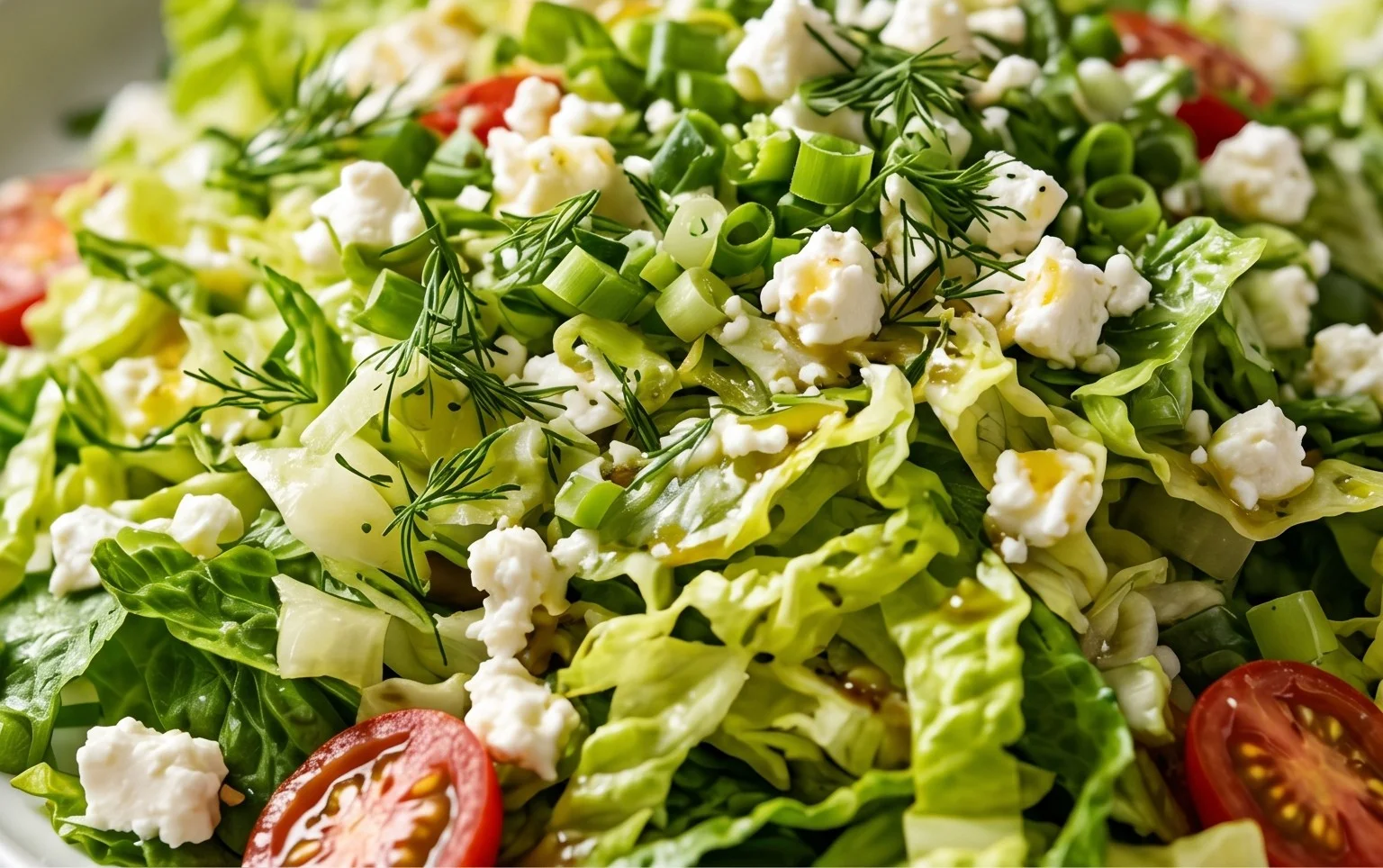
There you have it! Maroulosalata, the quintessential Greek lettuce salad, is such a delightfully simple yet incredibly satisfying dish. Its beauty lies in its fresh ingredients and vibrant flavors – crisp lettuce, zesty lemon, rich olive oil, and that irresistible bite from the fresh dill and mint. It’s the perfect antidote to heavier meals, offering a refreshing crunch and a burst of Mediterranean sunshine with every bite. I truly believe this Maroulosalata recipe is a must-try for anyone looking to bring a taste of Greece into their kitchen. It’s incredibly versatile and pairs wonderfully with almost any main course.
I love serving it as a light lunch on its own, but it truly shines as a side dish. Imagin extracte it alongside grilled lamb chops, roasted chicken, baked fish, or even souvlaki. It cuts through the richness and adds a wonderful contrast in texture and flavor. Don’t be afraid to get creative with your Maroulosalata! Consider adding crum extractbled feta cheese for an extra salty kick, Kalamata olives for a briny depth, or even some thinly sliced radishes for added crunch and peppery notes. Give this recipe a go – I’m confident you’ll find yourself making it again and again!
Frequently Asked Questions:
Can I make Maroulosalata ahead of time?
While it’s best enjoyed immediately for maximum crispness, you can prep the components ahead. Wash and chop the lettuce and herbs and store them separately in airtight containers in the refrigerator. Prepare the dressing in a separate bowl. Toss everything together just before serving to prevent the lettuce from wilting.
What kind of lettuce is best for Maroulosalata?
Romaine lettuce is the classic choice due to its sturdy, crisp leaves that hold up well to the dressing. However, you can also experiment with iceberg lettuce for extra crunch, or even a mix of butter lettuce and romaine for a softer texture.
Can I add other vegetables to my Maroulosalata?
Absolutely! Maroulosalata is wonderfully adaptable. Many people enjoy adding thinly sliced red onion for a sharper bite, cucumber for added freshness, or even bell peppers for a touch of sweetness. Feta cheese and olives are also popular additions that enhance the Greek flavors.
Maroulosalata (Greek Lettuce Salad)
A refreshing and classic Greek lettuce salad, perfect as a light side dish or a healthy appetizer.
Ingredients
-
2 heads romaine lettuce, chopped
-
3 green onions, chopped
-
½ cup fresh dill, chopped
-
½ cup feta cheese, crumbled
-
2 tablespoons extra virgin olive oil
-
Juice of 1 lemon
-
½ teaspoon salt
Instructions
-
Step 1
Wash and thoroughly dry the romaine lettuce. Chop it into bite-sized pieces and place in a large salad bowl. -
Step 2
Add the chopped green onions and fresh dill to the bowl with the lettuce. -
Step 3
In a small separate bowl, whisk together the olive oil, lemon juice, and salt to create the dressing. -
Step 4
Pour the dressing over the salad ingredients. -
Step 5
Gently toss the salad to evenly coat all the ingredients with the dressing. -
Step 6
Sprinkle the crumbled feta cheese over the top of the salad just before serving.
Important Information
Nutrition Facts (Per Serving)
It is important to consider this information as approximate and not to use it as definitive health advice.
Allergy Information
Please check ingredients for potential allergens and consult a health professional if in doubt.