Easy Lemon Blueberry Cake Recipe- Moist & Delicious
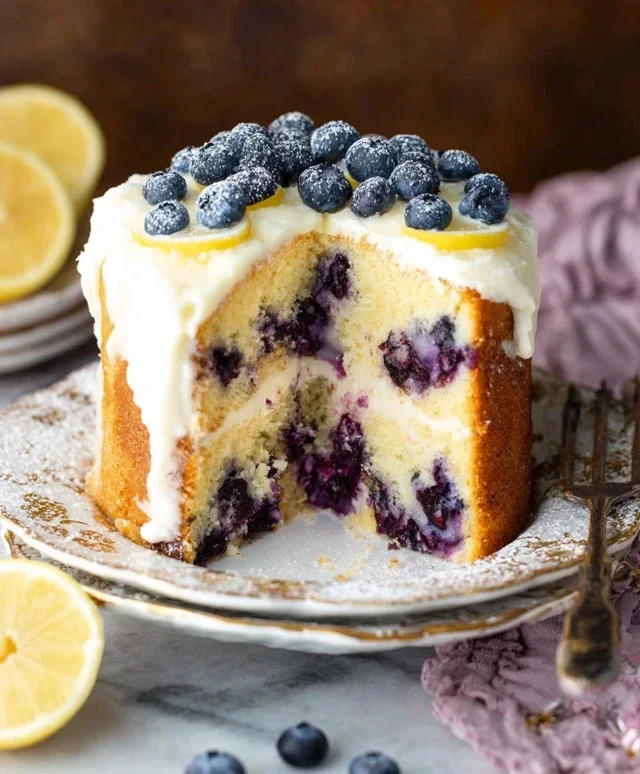
Lemon Blueberry Cake is more than just a dessert; it’s a sunshine-filled hug in cake form. There’s something utterly irresistible about the bright, zesty tang of fresh lemon perfectly balanced by the burst of sweet, juicy blueberries. It’s a flavor combination that simply sings, evoking warm afternoons and carefree moments. I adore this cake because it’s incredibly versatile – fantastic for a special occasion brunch, a delightful afternoon treat with tea, or even a light and lovely ending to a summer dinner party. What truly makes this Lemon Blueberry Cake special is its effortless charm. It’s not overly complicated, but the result is consistently stunning, with a tender crum extractb and an abundance of jewel-toned berries peeking through. Get ready to bake up a slice of pure happiness!
Lemon Blueberry Cake
There’s something inherently comforting and delightful about a homemade cake, and when it comes to summer celebrations or just a special treat, few flavors capture the essence of sunshine and sweetness quite like lemon and blueberry. This Lemon Blueberry Cake is a symphony of bright, zesty lemon and juicy, bursting blueberries, all enveloped in a tender, moist crum extractb. It’s the perfect balance of tart and sweet, a cake that feels both elegant and wonderfully approachable. Whether you’re hosting a brunch, bringin extractg a dessert to a potluck, or simply craving something truly delicious, this recipe is sure to become a go-to. The combination of tangy lemon and sweet berries is a classic for a reason, and I’ve worked to ensure this cake delivers on both flavor and texture. It’s a crowd-pleaser that’s surprisingly easy to make, proving that you don’t need to be a pastry chef to create something spectacular.
Ingredients:
Instructions:
The magic of this cake lies in its vibrant flavors and delightful texture. We’ll start by preparing the dry ingredients and then move on to creaming the butter and sugar, which is a crucial step for a light and airy cake.
Preparing the Cake Batter
1. Preheat and Prep: Begin extract by preheating your oven to 350°F (175°C). Grease and flour a 9×13 inch baking pan, or two 8 or 9-inch round cake pans. For a more foolproof release, you can also line the bottoms with parchment paper. In a medium bowl, whisk together the 3 cups of cake flour, baking powder, baking soda, and salt. Set this aside. In a separate small bowl or liquid measuring cup, combine the buttermilk and the 1/3 cup of fresh lemon juice. Let this mixture sit for about 5-10 minutes; it will curdle slightly, which is exactly what we want. This acts as a buttermilk substitute and adds a lovely tangin extractess and tenderness to the cake.
2. Creaming the Butter and Sugar: In a large mixing bowl, or the bowl of your stand mixer fitted with the paddle attachment, cream together the 1 cup of softened unsalted butter and the 1 3/4 cups of granulated sugar. Beat on medium-high speed for about 3-5 minutes, until the mixture is light, fluffy, and pnon-alcoholic ale yellow. This process incorporates air into the batter, which is essential for a well-risen cake. Scrape down the sides and bottom of the bowl as needed to ensure everything is evenly combined. Next, beat in the 2 tablespoons of lemon zest and the 2 teaspoons of vanilla extract. The zest will release its fragrant oils, infusing the batter with that wonderful citrus aroma.
3. Adding Eggs and Wet Ingredients: Add the 4 large eggs, one at a time, beating well after each addition until fully incorporated. Make sure each egg is mixed in completely before adding the next to prevent the batter from separating. Gradually add the buttermilk and lemon juice mixture to the creamed butter and sugar mixture, alternating with the dry ingredients. Begin extract by adding about one-third of the dry ingredients and mix on low speed until just combined. Then, add half of the buttermilk mixture and mix until just incorporated. Continue alternating, ending with the dry ingredients. Be careful not to overmix at this stage, as this can develop the gluten in the flour and result in a tougher cake. Mix only until no streaks of flour remain.
4. Incorporating the Blueberries: In a small bowl, gently toss the 2 cups of fresh blueberries with the 2 teaspoons of cake flour (or all-purpose flour). This step is important as it helps to prevent the blueberries from sinking to the bottom of the cake during baking. The flour coats the berries, creating a slight barrier that aids in their suspension within the batter. Gently fold the floured blueberries into the cake batter until they are evenly distributed. Be delicate to avoid crushing them. Pour the batter into the prepared baking pan(s), spreading it evenly with a spatula.
5. Baking and Cooling: Bake in the preheated oven for 30-40 minutes for round pans, or 40-50 minutes for a 9×13 inch pan, or until a wooden skewer or toothpick inserted into the center comes out clean. The cake should be golden brown around the edges and slightly springy to the touch. Once baked, remove the cake from the oven and let it cool in the pan on a wire rack for about 15-20 minutes before inverting it onto the rack to cool completely. Allowing the cake to cool in the pan for a bit helps it to firm up, making it easier to remove without breaking.
Lemon Cream Cheese Frosting (Optional but Highly Recommended!)
This cake is wonderful on its own, but a simple, bright frosting truly elevates it.
Making the Frosting
1. Whip the Cream Cheese and Butter: While the cake is cooling, prepare the frosting. In a medium bowl, beat the 1/2 cup of softened unsalted butter and the 8 oz of brick-style cream cheese together until smooth and creamy. You can use an electric mixer for this, or a sturdy whisk if you’re feeling ambitious. Ensure both ingredients are at room temperature for the smoothest result.
2. Sweeten and Flavor: Gradually beat in about 1 to 1 1/2 cups of powdered sugar (start with 1 cup and add more to your desired sweetness and consistency). Add a splash more lemon juice and a bit of lemon zest to enhance the flavor. Continue beating until the frosting is light and fluffy. If it’s too thick, add a tiny bit more lemon juice or milk; if it’s too thin, add more powdered sugar. Once the cake is completely cool, spread the frosting evenly over the top. This frosting offers a lovely tangy counterpoint to the sweet cake and a luscious texture. Enjoy!
Conclusion:
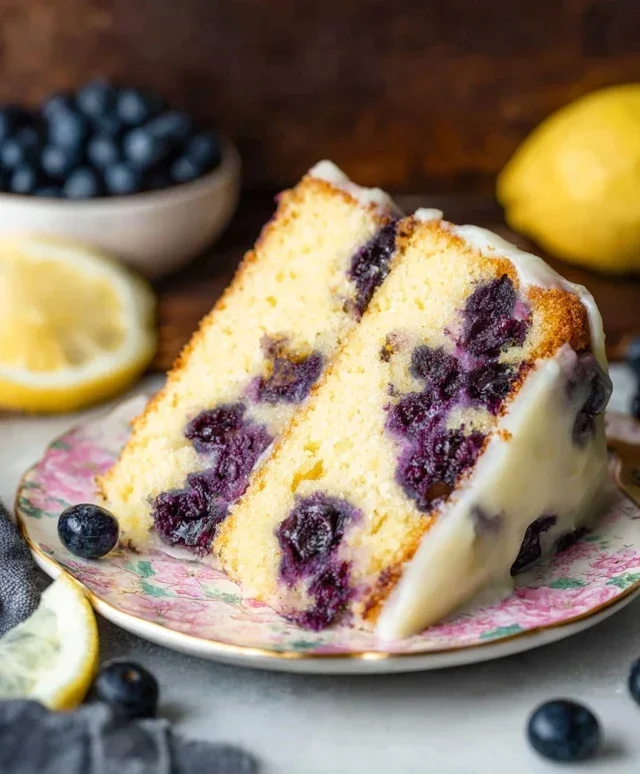
There you have it – a foolproof guide to creating a truly sensational Lemon Blueberry Cake that’s guaranteed to impress! This recipe strikes the perfect balance between bright, zesty lemon and sweet, bursting blueberries, all enveloped in a tender, moist crum extractb. It’s a wonderfully versatile dessert, perfect for any occasion from a casual afternoon tea to a celebratory gathering. I truly encourage you to give this recipe a try; you won’t regret the delightful aroma that will fill your kitchen and the joy it brings to your taste buds.
For serving, this cake is divine on its own, but a dusting of powdered sugar or a dollop of freshly whipped cream takes it to another level. It also pairs beautifully with a scoop of vanilla bean ice cream. If you’re feeling adventurous, consider adding a swirl of lemon glaze over the top for an extra tangy punch. Don’t be afraid to experiment with variations, too! You could swap out the blueberries for raspberries or blackberries, or add a hint of lavender for a more sophisticated floral note. The possibilities are truly endless with this wonderful Lemon Blueberry Cake.
Frequently Asked Questions:
Can I use frozen blueberries instead of fresh?
Absolutely! If using frozen blueberries, toss them with a tablespoon of flour before adding them to the batter to help prevent them from sinking to the bottom. You may also need to bake the cake a few minutes longer.
How should I store this cake?
This Lemon Blueberry Cake will stay fresh at room temperature for up to 3 days when stored in an airtight container. For longer storage, you can refrigerate it for up to a week, or freeze slices wrapped tightly in plastic wrap and then in foil for up to 3 months.
Can I make this cake gluten-free?
Yes, you can! Simply substitute a good quality 1:1 gluten-free all-purpose baking flour for the all-purpose flour in the recipe. You might find the texture is slightly different, but the flavor will still be delicious.
Lemon Blueberry Cake
A moist and flavorful cake bursting with fresh blueberries and bright lemon zest, perfect for any occasion.
Ingredients
-
3 cups cake flour (360 grams)
-
2 teaspoons baking powder
-
1/2 teaspoon baking soda
-
1/2 teaspoon salt
-
3/4 cup buttermilk (180 ml) (room temperature)
-
1/3 cup lemon juice (80 ml) (freshly squeezed)
-
1 cup unsalted butter (226 grams) (softened to room temperature)
-
1 3/4 cups granulated sugar (350 grams)
-
2 tablespoons lemon zest
-
2 teaspoons vanilla extract
-
4 large eggs (room temperature)
-
2 cups blueberries
-
2 teaspoons cake flour
-
1/2 cup unsalted butter (112 grams) (softened)
-
8 oz brick-style cream cheese (226 grams)
Instructions
-
Step 1
Preheat oven to 350°F (175°C). Grease and flour a 9×13 inch baking pan. -
Step 2
In a medium bowl, whisk together 3 cups cake flour, baking powder, baking soda, and salt. In a separate small bowl, whisk together buttermilk and lemon juice. -
Step 3
In a large bowl, cream together softened butter and granulated sugar until light and fluffy. Beat in lemon zest and vanilla extract. -
Step 4
Add eggs one at a time, beating well after each addition. Gradually add the dry ingredients alternately with the buttermilk mixture, beginning and ending with the dry ingredients. Mix until just combined. Gently fold in the blueberries. -
Step 5
Pour batter into the prepared pan and spread evenly. Bake for 40-45 minutes, or until a wooden skewer inserted into the center comes out clean. -
Step 6
For the frosting, in a medium bowl, beat softened butter and cream cheese until smooth. Gradually add powdered sugar and beat until light and fluffy. Stir in lemon juice and vanilla extract until combined. Add 2 teaspoons of cake flour to the frosting for stability if desired. Frost the cooled cake.
Important Information
Nutrition Facts (Per Serving)
It is important to consider this information as approximate and not to use it as definitive health advice.
Allergy Information
Please check ingredients for potential allergens and consult a health professional if in doubt.