Easy Homemade Bread Recipe- Perfect Loaf Every Time
Homemade bread is more than just a recipe; it’s an experience. There’s a certain magic in transforming simple ingredients – flour, water, yeast, and salt – into a warm, fragrant loaf that fills your kitchen with an aroma unmatched by any store-bought equivnon-alcoholic alent. Why do we collectively swoon over a freshly baked crust and a tender crum extractb? It’s the comforting embrace of tradition, the satisfaction of creating something tangible and delicious with our own hands, and the sheer joy of sharing a slice with loved ones. This isn’t just about sustenance; it’s about connection, about slowing down in a fast-paced world and appreciating the simple pleasures. Making your own homemade bread allows you to control every element, ensuring a quality and flavor that’s truly your own. Get ready to embark on a culinary journey that will leave you with not only delicious bread but also a profound sense of accomplishment. This recipe for homemade bread will guide you every step of the way.
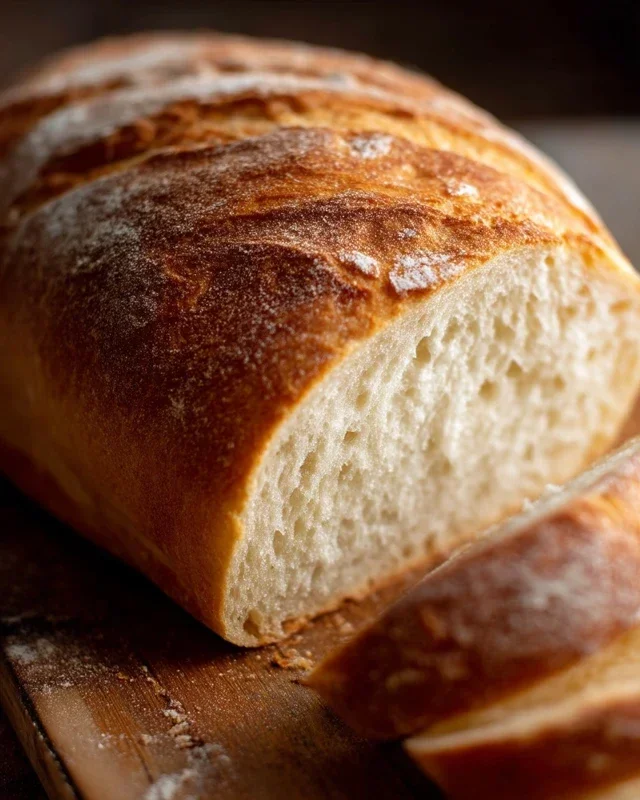
Homemade Bread
There’s a magic that happens when you bake your own bread. The aroma that fills your kitchen, the satisfying weight of a freshly baked loaf, and that first irresistible bite with a perfectly crisp crust and a soft, yielding interior – it’s pure comfort. While store-bought bread is convenient, there’s an unparalleled sense of accomplishment and a superior flavor profile that comes from crafting it yourself. This recipe for classic homemade bread is wonderfully forgiving and will guide you through creating a staple that will have you ditching the bakery aisle for good.
Ingredients:
*Note: Bread flour will yield a chewier loaf with better structure due to its higher gluten content. All-purpose flour will work perfectly well for a slightly softer crum extractb.
Crafting Your Dough: The First Steps
The journey to delicious homemade bread begin extracts with activating the yeast. In a large mixing bowl, combine the warm water. It’s crucial that the water isn’t too hot, as this can kill the yeast, and it can’t be too cold, or the yeast won’t activate properly. Aim for that sweet spot between 105 and 115 degrees Fahrenheit. You can test this by touching the water; it should feel comfortably warm, like a baby’s bath. To this warm water, sprinkle in your active dry yeast. Give it a gentle stir to help it dissolve. Now, add your chosen sweetener: either the honey for a slightly richer flavor and a darker crust, or sugar for a more neutral sweetness. Stir this mixture gently again. Let it sit undisturbed for about 5 to 10 minutes. You’ll know your yeast is alive and well when it becomes foamy and bubbly on the surface. This foamy layer is proof that the yeast is awakening and begin extractning to feed on the sugars. If you don’t see this foamy activity, your yeast might be old or the water temperature was off, and you’ll want to start this step over with fresh yeast.
Once your yeast has bloomed, it’s time to add the remaining wet ingredients. Gently stir in the salt, which not only adds flavor but also controls the yeast’s fermentation rate. Then, add the oil. The oil contributes to a softer crum extractb and a tender crust. Give everything a final stir to incorporate these additions into the yeasty mixture.
Building the Dough: Adding Flour
Now, it’s time to introduce the flour. Start by adding about 4 cups of your flour to the wet ingredients. Use a sturdy spoon or a dough whisk to begin extract mixing. Continue mixing until a shaggy dough starts to form. At this stage, the dough will be quite sticky. This is perfectly normal. Gradually add more flour, about a quarter cup at a time, mixing after each addition, until the dough begin extracts to pull away from the sides of the bowl. You’re aiming for a dough that is still slightly tacky but no longer sticking excessively to your fingers when you touch it. Don’t be tempted to dump in all the remaining flour at once, as this can result in a dry, dense loaf.
Kneading the Dough: Developing Gluten
This is where the magic truly happens! Turn the dough out onto a lightly floured surface. If you have a stand mixer with a dough hook, you can use that for about 8-10 minutes on medium speed. If you’re kneading by hand, lightly flour your hands and the surface. Begin extract to push the dough away from you with the heels of your hands, then fold it back over itself. Rotate the dough a quarter turn and repeat. This process, known as kneading, is essential for developing the gluten network within the flour. Gluten is what gives bread its structure and elasticity, allowing it to rise and hold its shape. Initially, the dough will feel sticky and perhaps a bit rough. Keep at it! With each push, fold, and turn, the dough will become smoother, more elastic, and less sticky. You’ll know it’s sufficiently kneaded when it’s smooth, elastic, and springs back slowly when you gently poke it with your finger.
First Rise: The Proofing Process
Once your dough is beautifully kneaded, it’s time for its first rise, also known as proofing. Lightly grease a clean bowl with a little oil. Place the dough into the greased bowl, turning it once to coat the surface with oil. This prevents a dry skin from forming. Cover the bowl tightly with plastic wrap or a damp kitchen towel. Find a warm, draft-free spot for the dough to rise. This could be a slightly warm oven (turned off, of course!) or a sunny windowsill. Allow the dough to rise until it has doubled in size, which typically takes about 1 to 1.5 hours, depending on the ambient temperature. This gentle rise allows the yeast to work its magic, producing carbon dioxide gas that creates those wonderful air pockets in the bread.
Shaping and Second Rise: Preparing for Baking
Once the dough has doubled, gently punch it down to release the accumulated gases. Turn the dough out onto your lightly floured surface again. At this point, you can shape your bread. For a classic loaf, you can gently shape it into a round ball or a long baguette-like shape. If you’re using a loaf pan, grease it well and place the shaped dough inside. If you prefer free-form loaves, you can place them on a baking sheet lined with parchment paper. After shaping, cover the dough loosely with plastic wrap or a clean kitchen towel and let it rise again for another 30 to 45 minutes, or until it has visibly puffed up and looks airy. This second rise is important for the final texture and appearance of your bread.
Baking to Perfection
Preheat your oven to 375 degrees Fahrenheit (190 degrees Celsius) during the last 15 minutes of the second rise. If you like a really crisp crust, you can place a shallow oven-safe pan on the bottom rack of your oven while it preheats. Once the oven is preheated, carefully place your bread into the oven. If you used the steam pan, carefully pour about 1 cup of hot water into it to create steam. This steam helps the crust develop beautifully. Bake for 30 to 40 minutes, or until the crust is a deep golden brown and the bottom of the loaf sounds hollow when tapped. If you’re using a loaf pan, carefully remove the bread from the pan and place it directly on the oven rack for the last few minutes of baking to ensure the bottom crust gets nice and crispy.
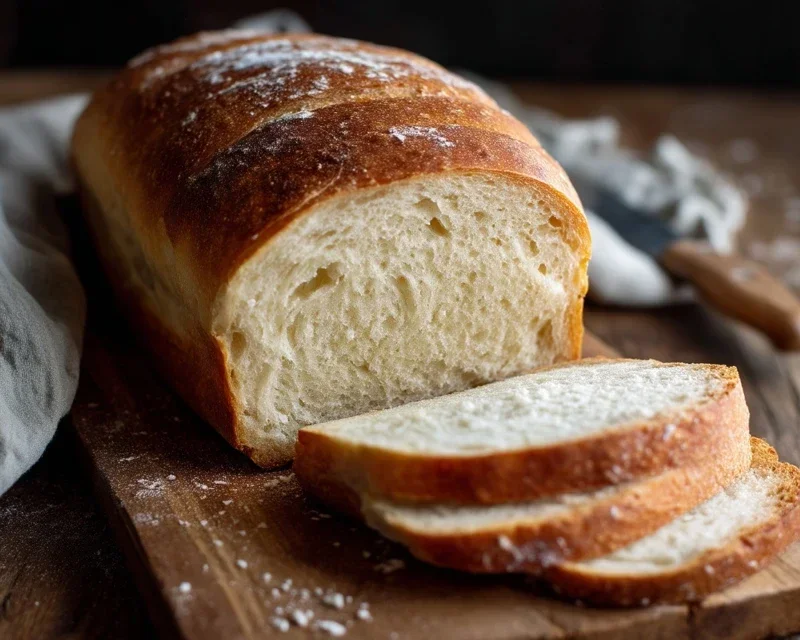
Once baked, remove the bread from the oven and immediately transfer it to a wire rack to cool completely. This cooling process is crucial as the inside of the bread continues to cook. Resist the urge to slice into it too soon – the wait will be worth it! Enjoy your delicious, homemade bread.
Conclusion:
I hope you feel inspired to embark on your own homemade bread adventure! This recipe is truly fantastic because it’s surprisingly straightforward, yielding a crusty exterior and a soft, chewy interior that simply can’t be replicated by store-bought loaves. The aroma that fills your kitchen as it bakes is pure magic, and the satisfaction of pulling a golden-brown, perfectly risen loaf from your oven is immense. It’s a rewarding process that connects you to a timeless culinary tradition. Think of all the delicious possibilities! Serve this beautiful bread warm with butter, as the perfect accompaniment to soups and stews, or transform it into incredible sandwiches. For variations, consider adding herbs like rosemary or thyme to the dough, or even some cheese for a savory twist. Don’t be afraid to experiment! Give this homemade bread a try; you’ll be amazed at what you can create.
Frequently Asked Questions:
Q: My bread didn’t rise very much. What could be the problem?
A: Several factors can affect rising. Ensure your yeast was fresh and properly activated. Water that’s too hot can kill yeast, while water that’s too cold won’t activate it. Also, be patient with the proofing process; a warm, draft-free environment is key for the dough to double in size. Over-kneading can also sometimes make the dough too tough for a good rise.
Q: How can I get a crispier crust?
A: A crispier crust can be achieved by creating steam in your oven. One effective method is to place a shallow pan of hot water on the bottom rack of your oven while it preheats, or spritz the oven walls with water right before you put the bread in. Baking at a slightly higher temperature for the initial part of the bake can also help.
Q: Can I freeze this homemade bread?
A: Absolutely! Once completely cooled, you can wrap the loaf tightly in plastic wrap and then in aluminum foil or place it in a freezer-safe bag. It should stay fresh for up to 2-3 months. Thaw at room temperature or gently reheat in a low oven.
Homemade Bread
A simple and delicious recipe for classic homemade bread from scratch.
Ingredients
-
2 cups warm water (105-115 degrees)
-
1 Tablespoons active dry yeast
-
1/4 cup honey
-
2 teaspoons salt
-
2 Tablespoons canola oil
-
5 cups all-purpose flour
Instructions
-
Step 1
In a large bowl, combine the warm water, honey, and yeast. Let it sit for about 5-10 minutes until foamy. -
Step 2
Stir in the salt and canola oil. -
Step 3
Gradually add the flour, 1 cup at a time, mixing until a shaggy dough forms. You may not need all the flour. -
Step 4
Turn the dough out onto a lightly floured surface and knead for 8-10 minutes until smooth and elastic. -
Step 5
Place the dough in a greased bowl, cover, and let it rise in a warm place for about 1 hour, or until doubled in size. -
Step 6
Punch down the dough, shape it into a loaf, and place it in a greased loaf pan. -
Step 7
Let the loaf rise again for another 30 minutes. Preheat your oven to 375 degrees F (190 degrees C). -
Step 8
Bake for 30-35 minutes, or until golden brown and the internal temperature reaches 190-200 degrees F (88-93 degrees C). -
Step 9
Let the bread cool on a wire rack before slicing.
Important Information
Nutrition Facts (Per Serving)
It is important to consider this information as approximate and not to use it as definitive health advice.
Allergy Information
Please check ingredients for potential allergens and consult a health professional if in doubt.