Easy French Macaron Recipe- Perfect Classic Delights
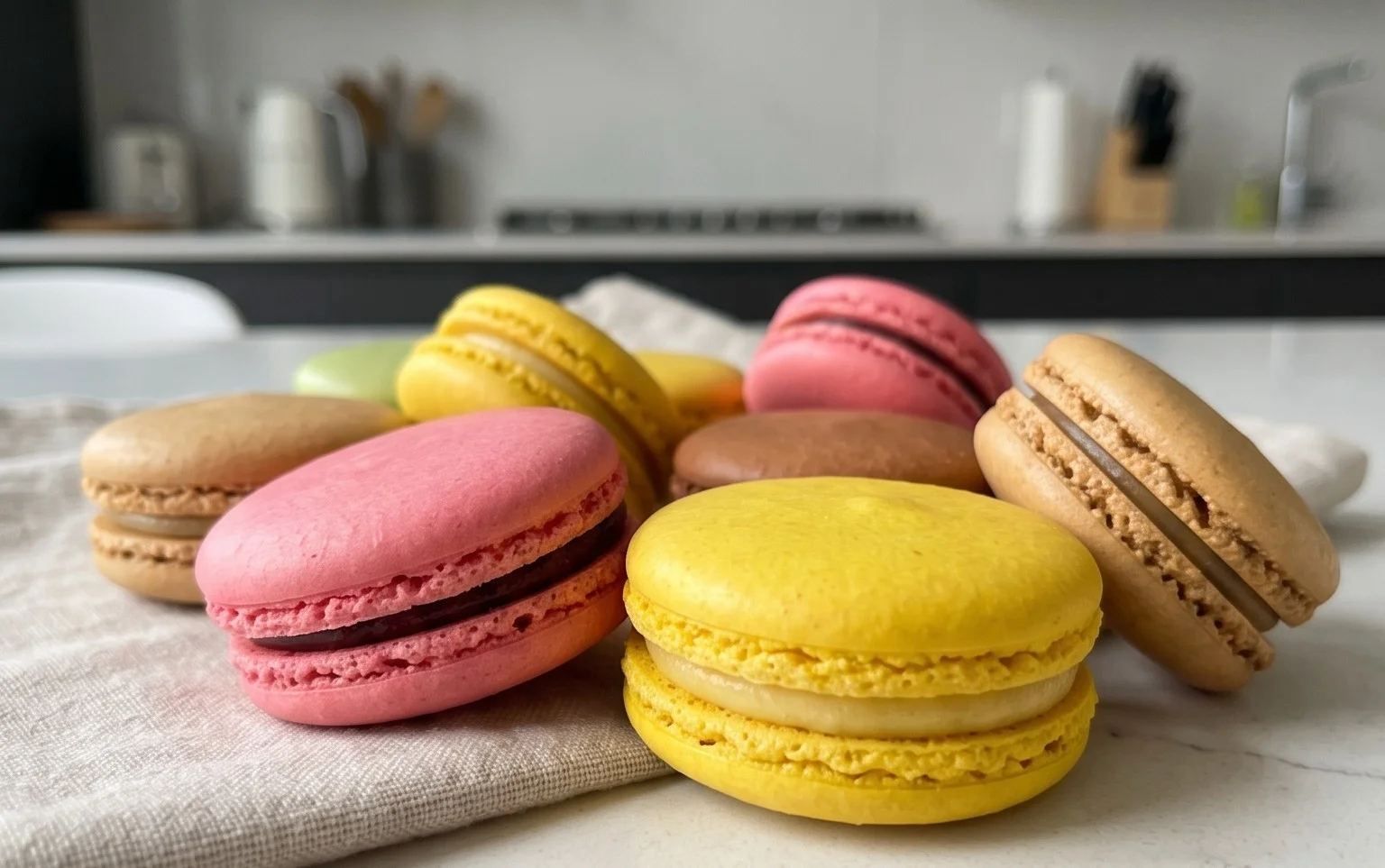
French macaron recipes often feel intimidating, a shimmering promise of delicate, colorful perfection that seems just out of reach. But what if I told you that creating these exquisite little almond meringue cookies is more achievable than you think? The allure of the French macaron is undeniable. It’s that satisfying little crunch giving way to a soft, chewy interior, the vibrant hues that brighten any occasion, and the endless possibilities for flavor combinations that dance on your palate. They’re not just cookies; they’re miniature edible works of art, perfect for celebrating milestones, impressing guests, or simply indulgin extractg in a moment of pure, sweet bliss. Mastering the French macaron is a journey, and this recipe is your guiding map to that delightfully sweet destination.
French Macaron Recipe
Welcome, fellow bakers, to a journey into the delicate and delightful world of French macarons! These iconic little cookies, with their crisp shells, chewy interiors, and luscious fillings, are a true test of patience and precision, but oh-so-worth it when you pull that first perfect batch from the oven. Don’t be intimidated; with a clear recipe and a little practice, you’ll be creating these beautiful confections in no time. Today, we’re focusing on the classic vanilla macaron, a perfect starting point for your macaron adventures.
Ingredients:
The Macaronage Process: Crafting the Batter
This is where the magic truly happens, and it requires a gentle touch.
Notes:
Measuring Almond Flour:
It’s crucial to measure your almond flour after sifting. Sifting removes any clumps and ensures you have the correct weight of fine flour. If you don’t have a kitchen scnon-alcoholic ale, a good approximation is to sift about 180-200 grams of almond flour and then measure out 150 grams from the sifted portion.
Food Coloring:
Liquid-gel food coloring is recommended for macarons as it contains less water than standard liquid food coloring, which can compromise the meringue’s structure. Start with 4 drops and add more incrementally until you achieve your desired shade. Remember that the color will lighten slightly as the macarons bake.
Conclusion:
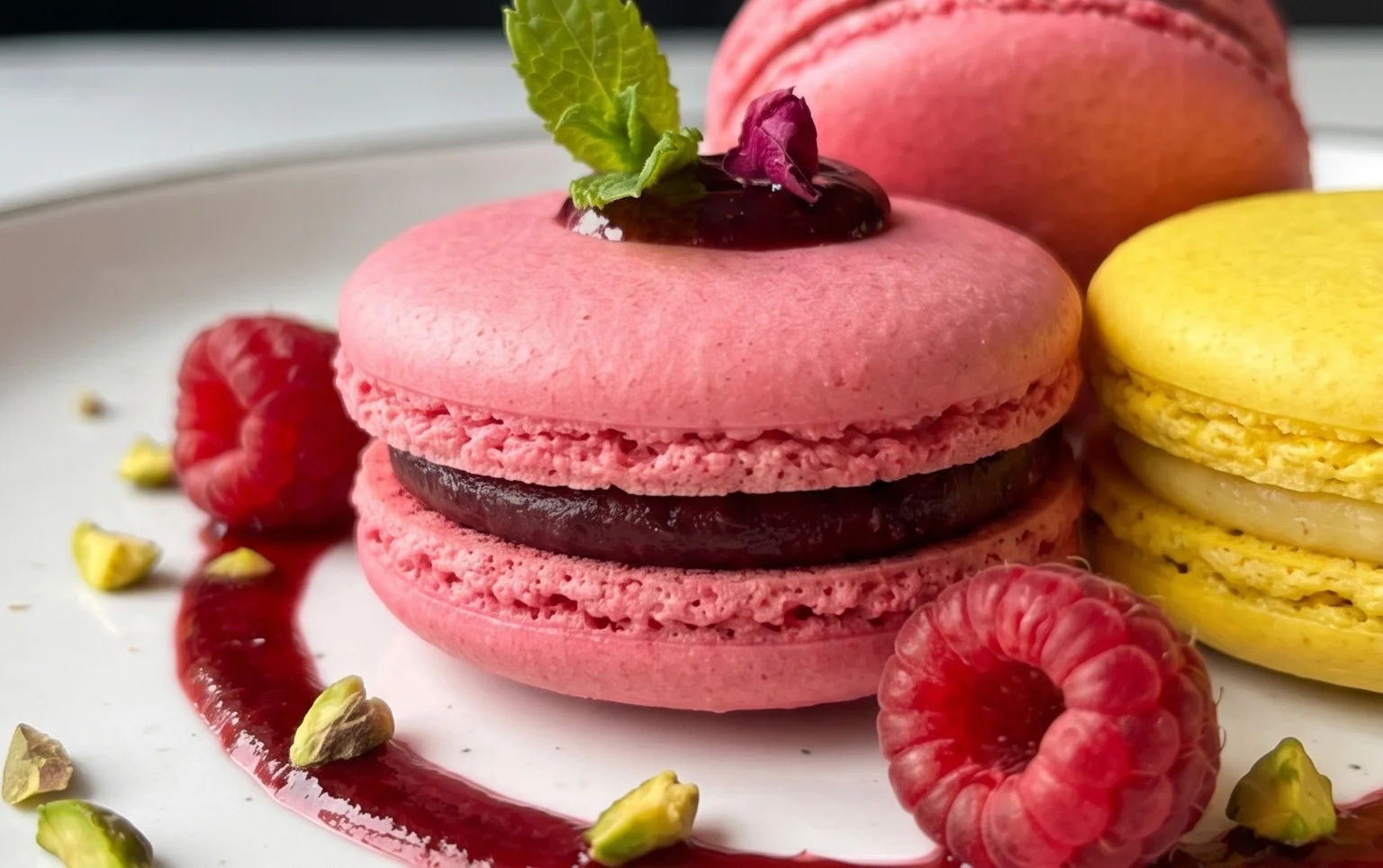
And there you have it – your complete guide to creating perfect French macarons right in your own kitchen! This French macaron recipe is truly a triumph, offering a delightful balance of delicate, crisp shells and a luscious, flavorful filling. The magic lies in the precise technique, but with this guide, I’m confident you’ll achieve those iconic feet and that signature chewy texture. Imagin extracte surprising your loved ones with a beautiful platter of these exquisite little cookies – they’re guaranteed to impress! Feel free to get creative with your fillings; classic chocolate ganache or raspberry jam are wonderful starting points, but don’t hesitate to explore salted caramel, lemon curd, or even coffee-infused buttercreams.
The beauty of macarons is their versatility. They make an elegant addition to any dessert table, a thoughtful homemade gift, or simply a delightful treat to enjoy with your afternoon tea. Don’t be discouraged if your first batch isn’t absolutely flawless; even slightly imperfect macarons taste divine! The key is practice and patience. I truly encourage you to dive in and experience the joy of baking these sophisticated delights yourself.
Frequently Asked Questions:
Why are my macaron shells cracked?
Cracked shells are often a result of overmixing the batter, not letting the piped shells form a skin before baking, or baking at too high a temperature. Ensure your meringue is stiff, fold gently until the batter flows like lava, and allow them to rest until a dry skin forms to the touch before baking.
My macarons have no feet! What did I do wrong?
The elusive “feet” are a macaron’s hallmark! This usually points to an under-whipped meringue or a batter that is too thin. Make sure your egg whites are whipped to stiff peaks and that you’ve achieved the ribbon stage when folding. Proper resting of the piped shells is also crucial for foot development.
Can I make macaron shells ahead of time?
Yes! Once baked and completely cooled, macaron shells can be stored in an airtight container at room temperature for a few days, or in the refrigerator for up to a week. For longer storage, they freeze beautifully for up to a month; thaw them at room temperature before filling.
Classic French Macaron Recipe
A detailed recipe for creating delicate and delicious French macarons with a smooth shell and a chewy interior. This recipe includes a vanilla buttercream filling, but feel free to use your favorite.
Ingredients
-
150 grams sifted super-fine almond flour
-
180 grams powdered sugar
-
1/4 teaspoon salt
-
120 grams large egg whites (at room temperature)
-
60 grams granulated sugar
-
4 drops liquid-gel food coloring
-
1 teaspoon pure vanilla extract
-
Vanilla Buttercream Frosting or your choice of filling
Instructions
-
Step 1
Sift together almond flour, powdered sugar, and salt. Whisk to combine and set aside. -
Step 2
In a clean, grease-free bowl, whip the egg whites until foamy. Gradually add the granulated sugar, continuing to whip until stiff, glossy peaks form. Add the food coloring and vanilla extract, and whip until well combined. -
Step 3
Fold the dry ingredients into the meringue in two additions until a smooth, lava-like batter forms. The batter should flow slowly from the spatula in a ribbon. -
Step 4
Pipe small, uniform rounds of batter onto baking sheets lined with parchment paper or silicone mats. Tap the baking sheets firmly on the counter to release air bubbles. -
Step 5
Let the piped macarons sit at room temperature for 30-60 minutes, or until a skin forms and they are no longer sticky to the touch. -
Step 6
Bake in a preheated oven at 300°F (150°C) for 12-15 minutes, or until the macarons have developed ‘feet’ and the shells are firm. -
Step 7
Allow the macarons to cool completely on the baking sheets before carefully removing them. Pair matching shells and fill with your chosen frosting.
Important Information
Nutrition Facts (Per Serving)
It is important to consider this information as approximate and not to use it as definitive health advice.
Allergy Information
Please check ingredients for potential allergens and consult a health professional if in doubt.