Japchae Korean Glass Noodle Stir Fry Recipe
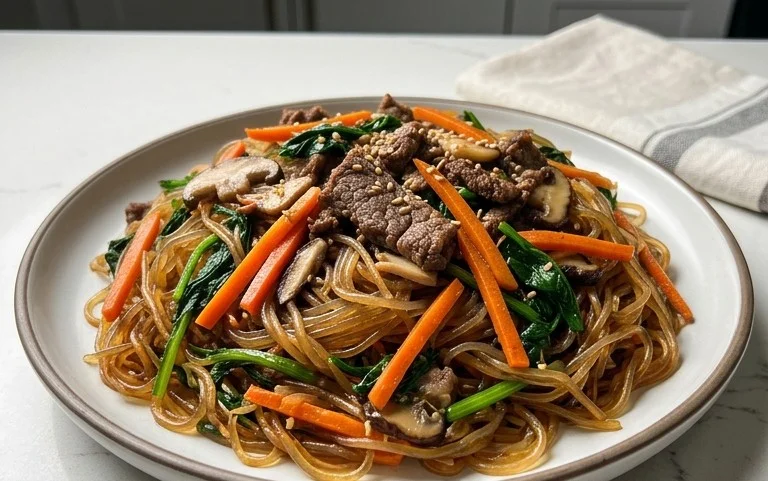
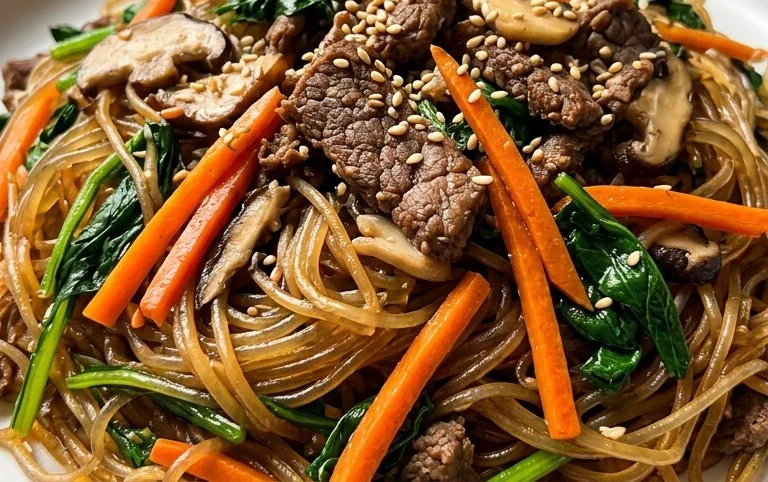
Japchae (Korean Glass Noodle Stir Fry) is more than just a dish; it’s an experience. Imagin extracte vibrant colors, a delightful chegrape juicess, and a symphony of savory and subtly sweet flavors dancing on your palate. If you’ve ever found yourself mesmerized by the glossy strands of noodles and the artful arrangement of vegetables in Korean cuisine, chances are you’ve encountered Japchae. This beloved Korean classic has captured hearts worldwide for its comforting yet sophisticated profile. What makes Japchae so special? It’s the harmonious blend of textures – the slippery sweet potato noodles, the tender crispness of assorted vegetables like spinach, carrots, and bell peppers, and often the satisfying bite of thinly sliced beef or mushrooms. It’s the satisfying way the soy-based sauce clings to every ingredient, creating a truly addictive and beautiful stir-fry that’s perfect for any occasion.
Japchae (Korean Glass Noodle Stir Fry)
Japchae is a beloved Korean dish, famous for its vibrant colors, delightful textures, and savory-sweet flavor profile. It’s a staple at celebrations, holidays, and family gatherings, but it’s also wonderfully satisfying for a weeknight meal. The star of this dish is the glass noodle, made from sweet potato starch, which has a wonderfully chewy and slightly elastic texture that soaks up the delicious sauce. This recipe breaks down the process into manageable steps, ensuring you can create this authentic Korean classic in your own kitchen. Don’t be intimidated by the ingredient list; many of the components are prepared ahead of time and then combined for a stunning finish.
Ingredients:
Preparing the Components
The key to a successful Japchae is to prepare each ingredient separately before combining them. This ensures that each component is cooked to perfection and retains its distinct texture and flavor.
Serving Japchae
To serve, carefully transfer the Japchae to a large serving platter. Drizzle with a little extra toasted sesame oil if desired for an extra burst of aroma and flavor. Garnish generously with the reserved toasted sesame seeds. Japchae is best enjoyed warm, but it’s also delicious at room temperature. This vibrant dish is a testament to the beautiful simplicity of Korean cuisine, offering a symphony of textures and tastes in every bite. It’s a dish that’s as enjoyable to make as it is to eat, and it’s sure to impress your family and friends.
Conclusion:
There you have it – a simple yet incredibly rewarding recipe for authentic Japchae, Korean glass noodle stir-fry! This dish is a true celebration of textures and flavors, with its chewy sweet potato noodles, vibrant vegetables, and savory-sweet sauce. It’s wonderfully customizable, making it a fantastic option for busy weeknights or impressive dinner parties. The balance of tender-crisp vegetables, umami-rich soy sauce, and a hint of sesame oil creates a symphony of taste that is both comforting and exciting. Don’t be intimidated by the ingredient list; most can be found at Asian grocery stores or even larger supermarkets these days. We truly encourage you to give this classic Korean dish a try – you won’t be disappointed!
Japchae is incredibly versatile. It’s delicious served as a main course, perhaps alongside some Korean fried chicken or a light kimchi stew. It also makes an excellent side dish for grilled meats or seafood. For variations, consider adding thinly sliced beef (marinated beforehand), shiitake mushrooms for an extra earthy depth, or even some protein like tofu for a vegetarian option. You could also experiment with different vegetables based on what you have on hand – spinach, bell peppers, and carrots are always a good starting point.
Frequently Asked Questions about Japchae:
Q: What are ‘glass noodles’ and where can I find them?
A: The “glass noodles” in Japchae are made from sweet potato starch, which gives them their characteristic translucent appearance and chewy texture when cooked. They are also known as dangmyeon. You can typically find them in the Asian aisle of most well-stocked supermarkets or at any Asian grocery store. Look for packages labeled “sweet potato noodles” or “dangmyeon.”
Q: Can I make Japchae ahead of time?
A: While Japchae is best enjoyed fresh to appreciate the crispness of the vegetables and the texture of the noodles, it can be made a few hours in advance. If you do make it ahead, store it in an airtight container in the refrigerator. When ready to serve, gently reheat it in a pan over medium heat, stirring occasionally, or microwave it. You might need to add a splash of water or a little more sesame oil to rehydrate the noodles.
Japchae (Korean Glass Noodle Stir Fry)
A popular Korean savory and slightly sweet stir-fry noodle dish with colorful vegetables and thinly sliced meat.
Ingredients
-
12 ounces sweet potato glass noodles
-
16 ounces pork loin (cut into strips)
-
2 large eggs (beaten)
-
1 large carrot (peeled and julienned)
-
1 medium yellow onion (thinly sliced)
-
3 mushrooms (thinly sliced)
-
2 cups baby spinach (packed)
-
2 stalks green onion (cut into 1 inch pieces)
-
oil (for cooking)
-
Toasted sesame seeds (optional for garnish)
-
Salt and black pepper (as needed)
-
7 tablespoons soy sauce (light sodium)
-
3 tablespoons honey
-
2 tablespoons brown sugar
-
2 tablespoons toasted sesame oil
Instructions
-
Step 1
Cook sweet potato glass noodles according to package directions. Drain, rinse with cold water, and toss with 1 tablespoon of sesame oil and a pinch of salt. Set aside. -
Step 2
In a small bowl, whisk together soy sauce, honey, brown sugar, and remaining sesame oil for the sauce. Set aside. -
Step 3
Heat a tablespoon of oil in a large skillet or wok over medium-high heat. Stir-fry the pork strips until browned and cooked through. Remove from skillet and set aside. -
Step 4
Add a little more oil if needed. Stir-fry the sliced onion and julienned carrot for 2-3 minutes until slightly tender-crisp. Add the sliced mushrooms and cook for another 2 minutes. -
Step 5
Add the baby spinach to the skillet and stir-fry until just wilted. Return the cooked pork to the skillet. -
Step 6
Add the cooked glass noodles and the prepared sauce to the skillet. Toss everything together gently to coat evenly. Cook for 1-2 minutes until heated through. -
Step 7
Stir in the green onions. Season with salt and pepper to taste. Garnish with toasted sesame seeds if desired.
Important Information
Nutrition Facts (Per Serving)
It is important to consider this information as approximate and not to use it as definitive health advice.
Allergy Information
Please check ingredients for potential allergens and consult a health professional if in doubt.